Achilles Tendon Pain in Runners: Tendonitis, Tendinopathy, or Something Else?
Achilles tendon pain is one of the most common lower-leg problems in runners. It may start as mild stiffness in the morning, soreness at the beginning of a run, or tightness in the back of the ankle after hills, speed work, or a long run. At first, many runners assume it is just a tight calf or a small flare-up that will go away.
Sometimes it does. But Achilles pain that keeps returning deserves attention.
The Achilles tendon connects the calf muscles to the heel bone. It helps absorb and generate force with every step, stride, hill, jump, and push-off. Because running loads the Achilles repeatedly, small changes in training, strength, footwear, recovery, or mechanics can irritate the tendon.
At Princeton Sports and Family Medicine, P.C., we evaluate runners from Princeton, Lawrenceville, West Windsor, Plainsboro, Hopewell, Pennington, Robbinsville, and throughout Mercer County who are dealing with Achilles tendon pain, calf tightness, heel pain, and other running-related overuse injuries.
The goal is not just to calm symptoms. The goal is to identify the source of pain, understand what the tendon can tolerate, and build a safe plan for return to running.
Quick Takeaways
- Achilles pain in runners is often related to Achilles tendinitis or tendinopathy, but other problems can feel similar.
- Tendon pain often causes morning stiffness, start-up pain, soreness with hills or speed work, and pain after activity.
- Pain at the back of the heel may come from insertional Achilles tendinopathy, bursitis, shoe irritation, or bone-related irritation.
- Sudden pain, a pop, weakness, or difficulty pushing off may suggest a more serious injury and should be evaluated promptly.
- Rest alone often improves symptoms temporarily but may not solve the underlying load problem.
- A structured plan may include training modification, physical therapy, calf strengthening, gait analysis, shockwave therapy, and gradual return to running.
Why the Achilles Tendon Gets Irritated
The Achilles tendon handles very high loads during running. It stores and releases energy as the foot contacts the ground and pushes off. That makes it essential for distance running, sprinting, hills, jumping, and court sports.
Achilles pain often develops when the tendon is asked to do more than it is currently prepared to tolerate.
Common triggers include:
- Increasing mileage too quickly
- Adding hills or speed work
- Starting track workouts
- Returning after time off
- Changing shoes
- Switching to lower-drop shoes
- Increasing long-run distance
- Running more on trails or uneven ground
- Tight or fatigued calves
- Limited ankle mobility
- Weakness in the calf, hip, or foot muscles
- Training through early stiffness
- Inadequate recovery, sleep, or fueling
The tendon may not hurt during the first workout that overloads it. Symptoms often appear later, especially the next morning or during the first few minutes of a run.
Tendonitis vs Tendinopathy: What Is the Difference?
Many people use the word Achilles tendonitis for any Achilles tendon pain. In everyday language, that is understandable. Medically, however, chronic tendon pain is often better described as tendinopathy.
Achilles Tendonitis
“Tendonitis” suggests inflammation of the tendon. This may be more relevant early in the pain cycle or after a recent increase in activity. The tendon may feel sore, tender, or irritated.
Achilles Tendinopathy
“Tendinopathy” is a broader term that refers to tendon pain and impaired tendon load tolerance. Chronic tendon pain is often not just an inflammation problem. The tendon may have become sensitive, thickened, or less able to handle running loads.
This distinction matters because chronic Achilles pain usually does not improve permanently with rest alone. The tendon often needs the right amount of progressive loading to regain capacity.
That means treatment should focus on:
- Reducing painful overload
- Restoring calf strength
- Improving tendon tolerance
- Addressing training errors
- Modifying running when needed
- Progressing impact gradually
Where Is the Achilles Pain?
Location helps guide the diagnosis.
Midportion Achilles Pain
Midportion Achilles pain is usually felt 2–6 centimeters above the heel bone. Runners may notice thickening, tenderness, morning stiffness, or pain during push-off.
This pattern is often associated with midportion Achilles tendinopathy.
Insertional Achilles Pain
Insertional Achilles pain is felt where the tendon attaches to the heel bone. It may be aggravated by hills, speed work, shoes that rub the heel, deep calf stretching, or running uphill.
Insertional Achilles problems can behave differently than midportion tendon pain. Aggressive stretching or heel-drop exercises off a step may aggravate symptoms in some patients.
Pain Around the Back of the Heel
Pain at the back of the heel is not always the tendon itself. It may also involve:
- Retrocalcaneal bursitis
- Shoe irritation
- Heel bone prominence
- Insertional tendon irritation
- Inflammatory conditions
- Less commonly, other bone or soft tissue problems
A careful exam can help determine which structure is causing symptoms.
What Achilles Tendon Pain Usually Feels Like
Achilles tendon pain often follows a recognizable pattern.
Common symptoms include:
- Morning stiffness
- Pain with first steps out of bed
- Soreness at the beginning of a run
- Pain that warms up, then aches later
- Pain with hills or speed work
- Tenderness when squeezing the tendon
- Thickening or swelling along the tendon
- Pain after running rather than during every step
- Symptoms that return when mileage increases
Some runners describe the tendon as “tight” rather than painful. Others feel a pulling sensation, stiffness, or soreness near the heel.
The early pattern can be misleading because the tendon may feel better after warming up. But if symptoms keep returning or worsening, the tendon is not adapting well to the current training load.
What Else Can Mimic Achilles Tendon Pain?
Not every pain in the back of the ankle is Achilles tendinopathy.
Other possibilities include:
Calf Strain
A calf strain usually causes pain higher in the calf muscle rather than directly in the tendon. It may start suddenly during speed work, hills, jumping, or a push-off movement. There may be tenderness, bruising, weakness, or pain with calf raises.
Plantar Fasciitis
Plantar fasciitis usually causes pain under the heel or along the bottom of the foot. It can coexist with Achilles tightness or calf weakness, but the pain location is different.
Retrocalcaneal Bursitis
Bursitis near the back of the heel can cause pain between the Achilles tendon and heel bone. It may be irritated by shoes, uphill running, or deep ankle positions.
Posterior Ankle Impingement
Some athletes feel pain deep in the back of the ankle, especially with pointing the foot downward. This is less typical for distance runners but can occur in dancers, soccer players, gymnasts, and other athletes.
Nerve or Referred Pain
Pain can occasionally be referred from the low back, nerve irritation, or other sources. Symptoms such as numbness, tingling, burning pain, or pain that travels may suggest a different diagnosis.
Achilles Tear or Rupture
A sudden pop, sharp pain, weakness, or feeling like someone kicked the back of the leg can suggest an Achilles rupture or partial tear. This requires prompt medical evaluation.
Warning Signs That Need Prompt Evaluation
You should schedule a sports medicine evaluation promptly if you have:
- A sudden pop in the back of the ankle or calf
- A feeling that someone kicked you in the leg
- Difficulty pushing off
- Difficulty doing a single-leg calf raise
- Significant swelling or bruising
- Pain with walking
- Limping
- Rapid worsening of symptoms
- A visible gap or defect in the tendon
- Pain after a fall, jump, or sudden sprint
- Symptoms that do not improve with training modification
- Achilles pain that returns every time you run
These signs may suggest a more serious tendon injury or a problem that needs a different plan.
Can You Keep Running With Achilles Pain?
Sometimes. But it depends on the severity and pattern.
Running may be reasonable to modify briefly if:
- Pain is mild
- It improves as you warm up
- It does not change your stride
- It does not worsen during the run
- It does not cause limping
- Symptoms are not worse the next morning
Running should be stopped or significantly modified if:
- Pain worsens during the run
- You are limping
- Pain changes your stride
- Pain is sharp or sudden
- Symptoms are worse the next morning
- You have swelling, bruising, or weakness
- You cannot perform a controlled calf raise
- Pain is increasing week to week
A useful rule:
If Achilles pain changes how you run or is worse the next morning, the current load is too much.
Why Rest Alone Often Fails
Many runners rest until the Achilles feels better, then return to the same training. The pain comes back, sometimes faster than before.
This happens because rest can reduce symptoms, but it does not always restore tendon capacity.
The Achilles tendon needs progressive loading to become more tolerant. That loading must be specific enough to build strength, but controlled enough not to flare symptoms.
A complete plan often includes:
- Temporary reduction in running load
- Calf strengthening
- Hip and foot strength
- Gradual tendon loading
- Running progression
- Footwear review
- Hill and speed-work modification
- Recovery and training review
The right amount of load is the key. Too much keeps the tendon irritated. Too little leaves it underprepared.
How a Sports Medicine Evaluation Helps
A sports medicine evaluation helps determine whether Achilles pain is coming from tendinopathy, insertional irritation, bursitis, calf strain, partial tear, or another cause.
The evaluation may include:
- Review of training changes
- Pain location and symptom pattern
- Footwear and terrain review
- Calf strength testing
- Single-leg calf raise assessment
- Ankle mobility assessment
- Tendon palpation
- Gait and movement assessment
- Imaging when appropriate
The most important question is not only “What is the diagnosis?” It is also “What can this runner safely do now, and what needs to change before full training returns?”
Do You Need Imaging?
Not every runner with Achilles pain needs imaging right away. Many cases can be diagnosed with a careful history and physical exam.
Imaging may be considered when there is:
- Sudden injury
- Significant weakness
- Concern for tear or rupture
- Marked swelling or bruising
- Persistent symptoms despite treatment
- Unclear diagnosis
- Severe insertional pain
- Concern for bone or bursal involvement
- A need to guide treatment planning
Ultrasound or MRI may be used depending on the clinical question. A sports medicine evaluation can help determine whether imaging will change the plan.
Treatment Options for Achilles Tendon Pain
Treatment depends on the diagnosis, pain location, severity, training goals, and exam findings.
Training Modification
Training modification is often the first step. This does not always mean complete rest.
Options may include:
- Reducing mileage
- Avoiding hills
- Pausing speed work
- Avoiding track workouts
- Using flat routes
- Shortening long runs
- Adding recovery days
- Using run-walk intervals
- Cross-training if pain-free
- Monitoring next-morning symptoms
The goal is to keep the tendon from being overloaded while maintaining fitness when possible.
Physical Therapy
Physical therapy can help rebuild tendon capacity and address contributing factors.
PT may include:
- Calf strengthening
- Isometric loading
- Heavy slow resistance
- Eccentric strengthening when appropriate
- Hip and glute strengthening
- Foot and ankle control
- Balance and coordination
- Mobility work
- Return-to-run progression
Midportion and insertional Achilles pain may require different exercise choices. This is one reason diagnosis matters.
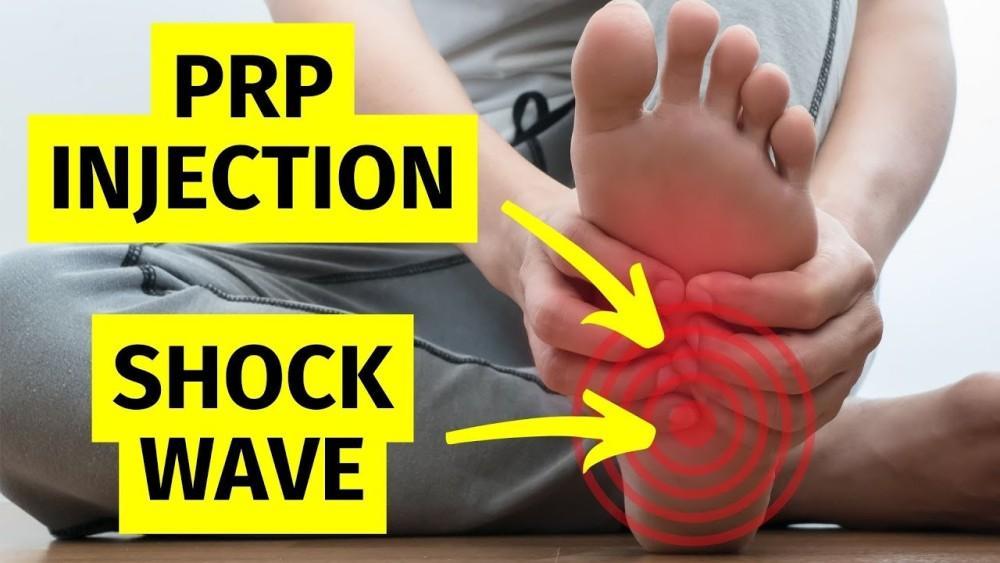
Shockwave Therapy
Shockwave therapy may be considered for chronic Achilles tendon pain that has not improved enough with initial care.
It is typically most useful when paired with progressive loading and activity modification. Shockwave therapy is not a substitute for strength work, but it may help certain chronic tendon conditions respond better as part of a broader plan.
At Princeton Sports and Family Medicine, P.C., shockwave therapy starts at $100 per session when scheduled as part of a minimum 3-session treatment course. Medical evaluation and visit billing may be separate depending on the visit.
Running Gait and Mechanics
For recurrent Achilles pain, gait and loading patterns may be important.
A Run Stride and Performance Evaluation can assess running mechanics, impact loading, cadence, foot path, strength deficits, and movement patterns.
This may be helpful for runners who:
- Have repeated Achilles flare-ups
- Develop symptoms with speed or hills
- Have changed shoes or running form
- Are returning after injury
- Are training for a race
- Want a more complete prevention plan
Strength and Performance Transition
Once symptoms improve, runners often need a bridge between rehab and full training.
PSFM Wellness and Fuse Sports Performance can help support longer-term strength, durability, performance, and injury prevention.
The goal is not just to get the Achilles quiet. The goal is to build a runner who can tolerate training over time.
What Runners Should Avoid
When Achilles pain starts, runners often try to manage it with stretching, rest, or shoe changes. Those may help in some cases, but they are not always enough.
Try to avoid:
- Running through worsening Achilles pain
- Sprinting or hill running during a flare
- Ignoring morning stiffness
- Aggressive calf stretching if it worsens insertional pain
- Doing heel drops off a step without guidance
- Returning to full mileage after a few pain-free days
- Changing to lower-drop shoes too quickly
- Using pain medicine to push through workouts
- Ignoring weakness, swelling, or bruising
- Waiting until walking hurts before getting evaluated
Early tendon pain is usually easier to manage than chronic tendon pain.
Return to Running After Achilles Pain
Return to running should be gradual and based on symptom response.
Before progressing, runners should generally be able to:
- Walk without pain
- Use stairs comfortably
- Perform calf raises without worsening symptoms
- Complete basic strengthening
- Tolerate short run-walk intervals
- Avoid next-morning symptom flare-ups
- Progress easy running before hills or speed work
A return-to-run plan usually starts with flat, easy running. Hills, intervals, tempo work, and racing should come later.
The Achilles tendon often responds slowly. Progress should be measured in weeks, not just days.
Quick Answers About Achilles Tendon Pain in Runners
Is Achilles tendon pain the same as Achilles tendonitis?
Not always. Many people use “tendonitis” for Achilles pain, but chronic symptoms are often better described as Achilles tendinopathy. Tendinopathy means the tendon is painful and not tolerating load well.
Can I run with Achilles tendon pain?
Sometimes mild symptoms can be managed with modified running. You should stop or reduce running if pain worsens during the run, changes your stride, causes limping, or is worse the next morning.
Why is my Achilles stiff in the morning?
Morning stiffness is common with Achilles tendinopathy. The tendon may feel tight or sore with first steps, then loosen as you move. If this pattern keeps recurring, it should be addressed.
Does stretching help Achilles tendon pain?
It depends. Gentle mobility may help some runners, but aggressive stretching can worsen certain insertional Achilles problems. Strength and progressive loading are often more important than stretching alone.
What is the difference between midportion and insertional Achilles pain?
Midportion pain is usually felt a few centimeters above the heel bone. Insertional pain is felt where the tendon attaches to the heel. These conditions can require different exercise and loading strategies.
When should I worry about an Achilles rupture?
Seek prompt evaluation if you feel a pop, sudden sharp pain, a sensation like being kicked in the back of the leg, significant weakness, bruising, or difficulty pushing off.
Can shockwave therapy help Achilles pain?
Shockwave therapy may be considered for chronic Achilles tendon pain that has not improved enough with initial care. It works best as part of a broader plan that includes strengthening and activity modification.
Do I need physical therapy?
Many runners with Achilles pain benefit from physical therapy, especially when symptoms are recurring, limiting training, or related to strength and loading deficits.
Related Resources
- Achilles Tendinitis
- Shockwave Therapy
- Sports Medicine Services
- Physical Therapy
- Overuse Injuries
- Stress Fracture
- Medial Tibial Stress Syndrome / Shin Splints
- Run Stride and Performance Evaluation
- PSFM Wellness
- Fuse Sports Performance
Schedule a Sports Medicine Evaluation
Achilles tendon pain in runners should not be ignored when it keeps returning, worsens with training, causes morning stiffness, or changes your stride. The earlier the cause is identified, the easier it is to protect training and build a safe return-to-run plan.
Comprehensive evaluation is available at Princeton Sports and Family Medicine, P.C. for runners and active adults in Princeton, Lawrenceville, West Windsor, Plainsboro, Hopewell, Pennington, Robbinsville, and throughout Mercer County.
Book an appointment online or call our Lawrenceville office to schedule a sports medicine evaluation.
Medical Disclaimer
This article is for general educational purposes only and is not a substitute for medical advice, diagnosis, or treatment. If you have sudden Achilles pain, a pop, significant weakness, bruising, swelling, inability to push off, inability to bear weight, or symptoms that are worsening despite rest or modification, please seek medical evaluation.
Peter Wenger, MD
Peter C. Wenger, MD, is an orthopedic and non-operative sports injury specialist at Princeton Sports and Family Medicine, P.C., in Lawrenceville, New Jersey. He is board certified in both family medicine and sports medicine.
Dr. Wenger brings a unique approach to sports medicine care with his comprehensive understanding of family medicine, sports medicine, and surgery. As a multisport athlete himself, he understands a patient’s desire to safely return to their sport.
You Might Also Enjoy...
Stress Fracture or Shin Splints? How Runners Can Tell the Difference Early
When Knee Pain After Running Needs a Sports Medicine Evaluation
Outer Knee Pain in Runners: IT Band Syndrome vs Runner’s Knee vs Meniscus Pain
Spring to Summer Recovery Changes: Why Sleep, Protein, and Hydration Matter More Than You Think