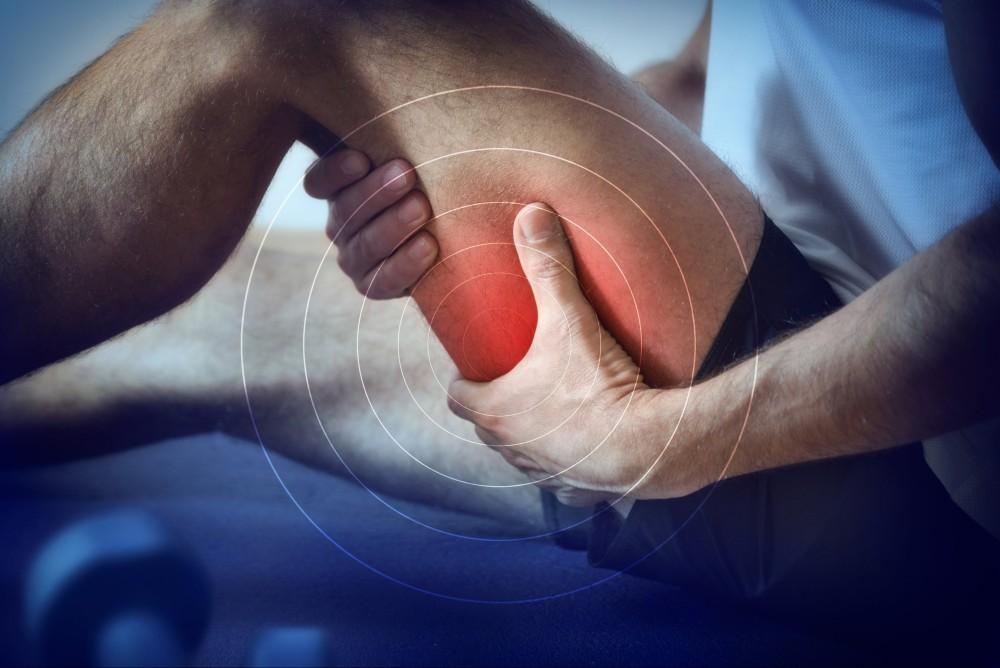
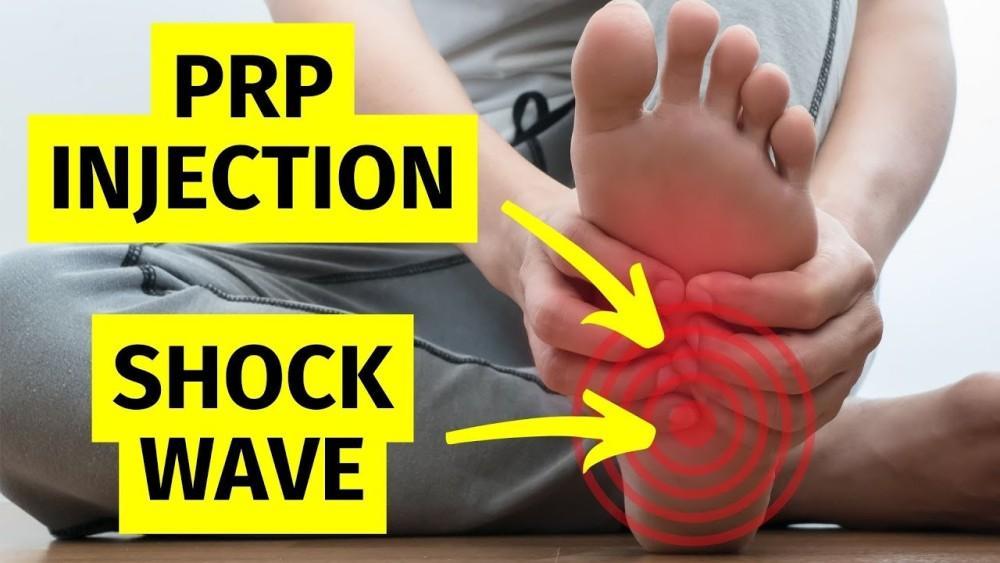
One of the most common things I see in newer trail runners is not a major injury at first. It is a small ache that gets explained away for too long. A sore ankle after a technical run. A calf that keeps tightening every downhill day. A knee that hurts on descents but seems “fine enough” once the run is over. A foot that feels irritated after long trail sessions but not bad enough to stop training. The runner tells themselves it is normal, that this is just part of trail running, and that they need to toughen up.
That mindset is understandable. Trail runners tend to be motivated, gritty, and eager to improve. Beginners especially often assume discomfort is simply the price of doing the sport. Some of that comes from enthusiasm. Some of it comes from not knowing what is expected adaptation versus what is the beginning of overload. Unfortunately, that confusion is where many small, manageable problems become bigger setbacks.
In clinic, the issue is rarely that runners are too soft. It is usually the opposite. They are willing to absorb more warning signs than they should. They normalize recurring symptoms because their mileage is “not even that high,” or because they are comparing themselves to more experienced runners. But trail running load is not measured by mileage alone. Terrain, vertical gain, footing, eccentric stress, technical demand, and fatigue all count.
That is why one of the smartest things a beginner trail runner can learn is not just how to train harder, but how to interpret symptoms better. The goal is not to become fearful or hypervigilant. It is to get better at recognizing when the body is adapting normally and when it is asking for a change before a small problem turns into a long interruption.
Not Every Ache Means Injury — But Not Every Ache Should Be Ignored
This is the balance many runners need help with. Some soreness is expected. If you run hills, uneven terrain, or longer descents, you should expect your body to feel that. Muscles may feel tired, heavy, or mildly sore for a day or two. A new surface or a jump in vertical often creates a short-lived adaptation response.
That said, not all discomfort fits into the “normal training soreness” category. Aches become more concerning when they are specific, recurring, or tied to the same movement pattern over and over. A symptom that keeps showing up in the same place is not just noise. It is information.
The first mistake many beginner trail runners make is assuming that unless pain is severe, it does not count. In reality, many trail injuries begin as low-grade signals that are easy to rationalize. The earlier those patterns are identified, the easier they usually are to address.
The Difference Between Expected Soreness and Warning Signs
This distinction matters. It changes whether a runner keeps training normally, modifies intelligently, or needs a medical evaluation.
Expected Training Soreness
Expected soreness usually has a few features. It tends to be:
- Diffuse rather than sharply localized
- Symmetrical or at least not strikingly one-sided
- Most noticeable 24 to 48 hours after a new or harder effort
- Improving as the body warms up or within a couple of days
- Not altering gait or confidence significantly
This is the kind of soreness runners often feel after big climbs, downhills, new terrain, or strength work. It may be uncomfortable, but it behaves like recovery.
More Concerning Warning Signs
Warning signs usually look different. They tend to be:
- Recurrent in the exact same location
- Sharp, focal, or progressively easier to trigger
- Present during the run rather than only afterward
- Causing compensation, limping, or altered mechanics
- Lingering beyond a few days or worsening run to run
When pain starts becoming predictable in the same tissue or movement, that usually deserves more attention.
Why Recurring Hot Spots Matter Even When Mileage Is “Not That High”
This is where beginners often get tripped up. They assume that low or moderate mileage should protect them from injury. But trail running stress is not captured well by mileage alone.
A six-mile technical trail run with steep descents, unstable footing, and frequent braking can load the body very differently than six flat road miles. A short run with vertical gain may be more demanding on the calves and quads than a much longer easy road run. A beginner may also be less efficient, which means they absorb more cost per mile.
So when a runner says, “I’m only running a few times a week,” that does not automatically mean the load is low. If the terrain is variable, the downhills are steep, the surfaces are off-camber, or the athlete is carrying fatigue from strength work or other training, the true demand may be much higher than they realize.
That is why recurring hot spots matter. A body part that repeatedly flares is often telling you that the tissue capacity and the training demand are not matching well enough right now.
Common Beginner Trail Running Problems
Trail runners do not all get hurt in the same way, but certain regions come up repeatedly in newer athletes.
Ankle Irritation
Some beginners do not fully roll the ankle, but they repeatedly irritate it. This can feel like soreness around the outside of the ankle, lingering stiffness after technical runs, or a subtle sense that the ankle does not trust uneven ground. Repeated low-grade instability matters, even if there has not been one dramatic sprain.
Knee Pain
Downhill running often exposes this first. A beginner may notice pain at the front of the knee, around the kneecap, or along the outside of the knee after descents or longer trails. This does not automatically indicate a serious injury, but it often reflects how braking forces, fatigue, and lower-limb control are interacting.
Calf and Achilles Symptoms
Calves do a tremendous amount of work in trail running, especially with climbs, uneven push-off, and variable landing mechanics. A calf that is always “a little tight” after trails may be adapting — or it may be slowly failing to keep up. Achilles irritation can also begin subtly before becoming much more limiting.
Hip Pain or Persistent Hip Fatigue
Trail runners often think of hips in terms of power, but the hips also help control pelvic motion and stabilize the body over irregular terrain. Hip soreness, deep fatigue, or recurring side-of-hip discomfort may reflect a control or load-tolerance issue rather than just general weakness.
Foot Pain
Feet absorb a lot on trails. Recurrent soreness in one specific part of the foot, pain with push-off, discomfort after rocky terrain, or tenderness that worsens over time should not be dismissed too casually. Focal foot pain deserves more caution than vague post-run fatigue.
Why Terrain, Vertical Gain, and Fatigue All Count as Training Load
One of the most useful mindset shifts for trail runners is understanding that training load is broader than mileage and pace.
Load also includes:
- Vertical climbing and descending
- Technical terrain
- Surface instability
- Repeated braking demand
- Heat, poor recovery, or sleep disruption
- Strength training and other cross-training stress
- Fatigue carried from prior sessions
This matters because many beginner runners unintentionally stack stressors. They may keep mileage stable but move to more technical trails. Or they may start adding vert without adjusting recovery. Or they may do lower-body strength work on top of challenging descents and not realize why their calves or knees are getting irritated.
The body does not separate these neatly. It simply experiences total demand.
When to Back Off
Backing off does not always mean full rest. Often it means responding before symptoms escalate.
It is smart to back off when:
- Pain changes your stride or confidence
- The same symptom appears earlier in each run
- A hot spot is getting easier to provoke
- The discomfort is lingering into normal daily activity
- A previously tolerable run suddenly feels mechanically rough
Backing off may mean reducing vert, shortening the run, choosing smoother terrain, skipping technical descents, or shifting to easier aerobic work for a few days. This is not weakness. It is load management.
When to Modify Instead of Stopping Completely
Many trail runners do better with targeted modification rather than complete shutdown. The exact change depends on the symptom pattern, but common modifications include:
- Trading technical trails for smoother surfaces temporarily
- Reducing downhill exposure before reducing all running
- Shortening duration while keeping frequency
- Replacing one hard trail session with flat aerobic work
- Adjusting strength training if the lower legs or quads are already overloaded
This is one reason a sports medicine approach can be so helpful. The goal is often not simply to stop activity. It is to identify which part of the training demand is driving the problem and how to keep the athlete moving while the tissue calms down.
At Princeton Sports and Family Medicine, P.C., that usually means looking at the symptom pattern, the terrain profile, the fatigue picture, and the athlete’s mechanics together rather than treating the ache as an isolated body part. For runners who need a closer look at movement strategy and load distribution, a run stride and performance evaluation can also help clarify why certain tissues keep becoming the limiting factor.
When to Get Evaluated
Some symptoms deserve more than self-adjustment.
It is time to consider an evaluation when:
- Pain is focal and keeps returning in the same place
- Symptoms are worsening despite backing off
- You are limping or altering form
- Daily walking, stairs, or regular activities start to hurt
- The issue keeps coming back when you resume trail running
- You are not sure whether you are dealing with soreness, irritation, or an actual injury
Early evaluation does not mean the problem is severe. Often it means the opposite. It means you are catching something while it is still manageable.
Why Early Intervention Keeps Athletes Training Longer
This is one of the biggest misconceptions in sports medicine. Some runners think getting evaluated early is only for serious injuries. But in practice, early intervention is often how athletes avoid serious interruptions.
A small problem addressed early may only require modest load adjustment, specific strengthening, better terrain progression, or a few changes in running structure. The same problem ignored for six weeks may become a stubborn tendon issue, a more significant stress reaction, or a compensation pattern that affects multiple areas.
In other words, early intervention is not about medicalizing every ache. It is about protecting continuity. The goal is to help runners keep training, not to sideline them unnecessarily.
That may also include a broader strength and durability plan. Some athletes benefit from guided transition into performance work at Fuse Sports Performance or longer-term support through PSFM Wellness, especially if recurrent aches reflect not just one bad run, but a larger tissue-capacity issue.
The Smarter Beginner Mindset
The most resilient trail runners are not the ones who ignore the most discomfort. They are the ones who learn how to read their body well enough to adapt before something small becomes something disruptive.
That means asking better questions:
Is this soreness fading like adaptation, or repeating like overload?
Is this a general training response, or the same tissue complaining again?
Did I truly increase only mileage, or did I also increase terrain complexity, vert, and fatigue?
Am I pushing through because the symptom is safe to monitor, or because I do not want to admit it may matter?
These are the kinds of questions that keep athletes in the sport longer.
Quick Answers About Trail Running Aches and Injuries
How do I know if trail running pain is just normal soreness?
Normal soreness is usually diffuse, short-lived, and improves within a couple of days. Pain is more concerning when it is focal, recurrent, changes your gait, or keeps returning in the same location after similar runs.
Can beginner trail runners get injured even at low mileage?
Yes. Trail running load includes more than mileage. Vertical gain, downhill braking, technical terrain, and fatigue all increase tissue demand, even when weekly mileage looks modest.
What trail running aches should I pay attention to?
Recurring ankle irritation, downhill knee pain, calf tightness that keeps building, focal foot pain, and persistent hip symptoms deserve attention, especially if they are becoming easier to trigger or slower to settle.
Should I stop running at the first sign of pain?
Not always. Many runners do well with modification rather than full rest. Reducing vert, choosing smoother terrain, or shortening runs can help. The key is whether the symptom is settling or escalating.
When should I get evaluated for a trail running injury?
Get evaluated if pain is focal, recurrent, worsening, affecting daily activity, or causing compensation. Earlier assessment often makes it easier to stay active and avoid a more prolonged setback.
Why does trail running create more injury risk than beginners expect?
Trail running increases variability, braking forces, and stability demands. Uneven terrain, descents, and fatigue all raise tissue stress. Beginners often underestimate how much those factors count as real training load.
When Should You Be Evaluated?
You should consider a sports medicine evaluation if:
- The same ache keeps returning in the same spot
- Pain starts earlier in runs or lasts longer afterward
- You are changing your stride, pace, or confidence because of symptoms
- Foot, ankle, knee, calf, or hip pain is becoming predictable on trails
- You have tried backing off but symptoms return quickly
- You want help staying active without guessing your way through it
For runners in Princeton, Lawrenceville, West Windsor, Plainsboro, Hopewell, Pennington, Robbinsville, and across Mercer County NJ, the best injury decision is often not to panic and not to ignore the problem. It is to figure out what the ache means, what is driving it, and how to respond early enough to keep training moving in the right direction. Scheduling with Princeton Sports and Family Medicine, P.C. can help determine whether you need load modification, movement analysis, tissue-specific treatment, or a more durable transition into strength and performance support.
This article is for educational purposes only and is not a substitute for medical advice, diagnosis, or treatment. If you have persistent pain, worsening symptoms, or functional limitation, seek evaluation from a qualified medical professional.
Author
 Peter Wenger, MD
Peter C. Wenger, MD, is an orthopedic and non-operative sports injury specialist at Princeton Sports and Family Medicine, P.C., in Lawrenceville, New Jersey. He is board certified in both family medicine and sports medicine.
Dr. Wenger brings a unique approach to sports medicine care with his comprehensive understanding of family medicine, sports medicine, and surgery. As a multisport athlete himself, he understands a patient’s desire to safely return to their sport.
Peter Wenger, MD
Peter C. Wenger, MD, is an orthopedic and non-operative sports injury specialist at Princeton Sports and Family Medicine, P.C., in Lawrenceville, New Jersey. He is board certified in both family medicine and sports medicine.
Dr. Wenger brings a unique approach to sports medicine care with his comprehensive understanding of family medicine, sports medicine, and surgery. As a multisport athlete himself, he understands a patient’s desire to safely return to their sport.