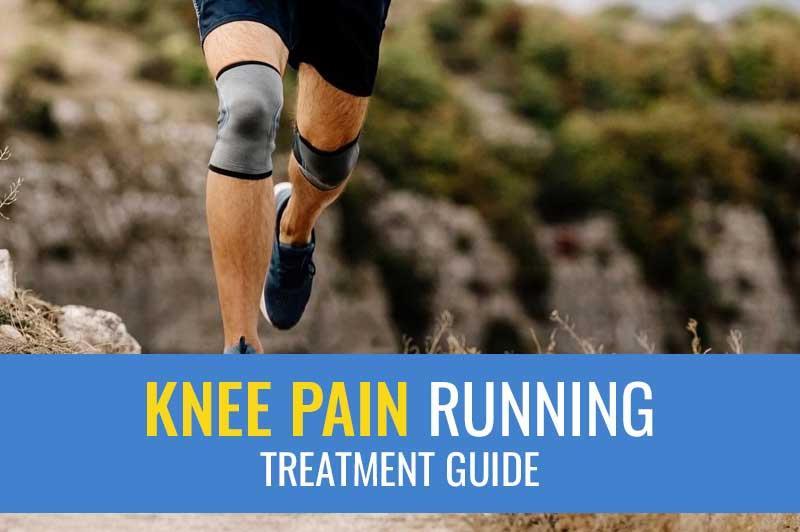
It is common for runners to blame shoes when knee pain starts. Sometimes they are right.
A new pair of running shoes can change how the foot hits the ground, how the ankle moves, how the knee loads, and how the body absorbs impact. A worn-out shoe can also change the way a runner moves.
But knee pain from running shoes is not always just a shoe problem.
Often, the real answer is a combination of shoes, training load, strength, recovery, running mechanics, and timing. A shoe change may be the final trigger, but the knee may have already been close to its limit.
For runners in Princeton, Lawrenceville, West Windsor, Plainsboro, Hopewell, Pennington, Robbinsville, and Mercer County, the goal is not to chase the “perfect shoe.” The goal is to understand why the knee is irritated and what needs to change so running becomes more comfortable and sustainable.
Quick Takeaways
-
Running shoes can contribute to knee pain, especially after a sudden shoe change.
-
Shoes are rarely the only factor. Training load, strength, mechanics, and recovery often matter too.
-
Knee pain that starts after new shoes may reflect a change in cushioning, heel drop, support, stiffness, or fit.
-
Worn shoes can also change mechanics and increase stress.
-
If pain changes your stride, causes swelling, or keeps returning, a sports medicine evaluation is recommended.
-
Runners with recurrent symptoms may benefit from a Run Stride & Performance Evaluation.
-
The best solution is usually not just buying another shoe. It is identifying the full pattern.
Can Running Shoes Cause Knee Pain?
Yes, running shoes can contribute to knee pain.
Shoes influence how the foot interacts with the ground. They can affect cadence, stride length, ankle motion, foot position, and shock absorption. Even small changes may matter if a runner is increasing mileage, adding hills, or returning from time off.
A shoe may contribute if symptoms started soon after:
-
Switching to a new model
-
Changing heel drop
-
Moving to a more minimal shoe
-
Moving to a much more cushioned shoe
-
Changing from neutral to stability shoes
-
Changing from road shoes to trail shoes
-
Running in worn-out shoes
-
Increasing mileage in a new shoe too quickly
That said, shoes usually interact with other factors. The shoe may expose a weakness, mobility limit, training error, or mechanics issue that was already present.
Why the Timing Matters
Timing is one of the biggest clues.
If knee pain began within a few runs of changing shoes, the shoe may be part of the story. That does not prove the shoe is “bad.” It may simply mean the body did not have enough time to adapt.
Runners often underestimate how much a shoe change can alter loading. Even if the new shoe feels comfortable, the lower body may experience forces differently.
A new shoe may change:
-
How far the foot lands in front of the body
-
How quickly the foot rolls through stance
-
How much the ankle moves
-
How much the knee bends
-
How much the hip has to control motion
-
How the body absorbs impact
If pain begins after both a shoe change and a training increase, the picture becomes more complicated. In that case, the shoe may be one of several contributors.
When Shoes Are More Likely Part of the Problem
Shoes are more likely to matter when there is a clear connection between the shoe change and symptoms.
Examples include:
-
Pain started immediately after switching shoes
-
The pain improves when returning to the old shoe
-
The new shoe feels unstable or awkward
-
The shoe rubs, slips, or changes foot position
-
Pain occurs only in one pair of shoes
-
The shoe has a very different heel drop or support level
-
The runner changed shoes and increased training at the same time
If a shoe is clearly associated with pain, it may be reasonable to pause that shoe and return to a previously tolerated option while symptoms calm.
But if the knee continues to hurt in all shoes, the issue is probably broader.
Worn Shoes and Knee Pain
Old shoes can also contribute to symptoms. As shoes wear down, cushioning and structure may change. The shoe may no longer support the runner the same way it did when new.
Signs that shoes may be worn include:
-
Uneven wear pattern
-
Loss of cushioning
-
Midsole creasing or compression
-
New aches after previously comfortable runs
-
Feeling less supported
-
Increased soreness after normal mileage
Mileage alone does not tell the whole story. A runner’s weight, surface, gait, shoe type, and training volume all affect how quickly shoes wear.
If knee pain starts after a long period in the same shoes, it may be worth reviewing footwear. But again, the shoe is only one variable.
Training Load May Be the Bigger Issue
Many runners change shoes at the same time they change training.
They start a new plan, increase long runs, add speed work, run more hills, or return after a break. Then the knee hurts, and the shoe gets blamed.
Training load includes:
-
Weekly mileage
-
Long run distance
-
Pace
-
Hills
-
Speed work
-
Frequency of runs
-
Recovery days
-
Surface
-
Strength training
-
Recent races or events
The knee does not only respond to shoes. It responds to the total load placed on it.
If the shoe changed but the training plan also became harder, the answer may be both. The shoe may have changed mechanics while the training plan increased stress.
How Mechanics Influence Knee Stress
Running mechanics can influence where stress goes.
For example, a runner with a long stride and low cadence may place more braking force through the leg. A runner with poor hip control may allow the knee to drift inward. A runner with limited ankle mobility may compensate elsewhere.
Mechanics are not about making everyone run the same way. There is no single perfect running form.
The question is whether your current mechanics match your body’s capacity and training goals.
Running mechanics may matter if:
-
Pain appears at the same mileage every run
-
Pain returns despite rest and new shoes
-
One side is consistently symptomatic
-
You have repeated injuries
-
You feel awkward or uneven when running
-
You are unsure whether your stride is contributing
A running evaluation can help connect symptoms to movement patterns.
Common Knee Pain Patterns in Runners
Knee pain from running can show up in several ways.
Pain around the front of the knee may be consistent with runner’s knee or patellofemoral pain. It may worsen with stairs, squats, hills, or downhill running.
Pain on the outside of the knee may relate to IT band irritation, especially when it appears after a certain distance or with downhill running.
Pain below the kneecap may involve the patellar tendon. This may be more noticeable with hills, speed work, jumping, squats, or stairs.
Pain on the inside of the knee may involve several structures, including joint irritation, tendons, ligament irritation, meniscus, or arthritis.
The location helps guide the evaluation, but it does not provide the whole answer. The history, exam, training pattern, and movement assessment all matter.
Should You Buy Different Shoes?
Maybe, but do not make it your only strategy.
If symptoms started with a new shoe, it may make sense to temporarily return to the previous shoe that felt good. If the current shoe is very worn, replacing it may help. If the shoe feels unstable or dramatically different from what you are used to, a different option may be reasonable.
But repeatedly buying shoes without addressing training and strength often leads to frustration.
Before buying another pair, consider:
-
Did pain start after the shoe change?
-
Did training also change?
-
Is the pain present in all shoes?
-
Are the shoes worn down?
-
Does the pain occur only after longer runs?
-
Does strength work or rest change symptoms?
-
Are you limping or changing form?
Shoes can be part of the plan, but they should not distract from the bigger picture.
Do Inserts or Orthotics Help?
Inserts or orthotics may help some runners, especially if foot mechanics or comfort are contributing to symptoms. But they are not necessary for everyone.
They may be considered when:
-
Pain is linked to foot position or comfort
-
Symptoms improve with support
-
There is a history of foot or ankle issues
-
The runner has tried appropriate training modification without improvement
Orthotics should not be used as a substitute for strength and load management. The foot still needs to function. Support can be useful, but capacity still matters.
When to Stop Running and Get Evaluated
You should stop running and seek evaluation if knee pain is associated with:
-
Swelling
-
Buckling or giving way
-
Locking or catching
-
Inability to bear weight
-
Limping
-
Sharp worsening pain
-
Pain after a fall or twist
-
Symptoms that do not improve with modification
-
Pain that keeps returning no matter what shoes you use
Pain that changes your stride is especially important. Running with altered mechanics can shift stress to other areas and prolong recovery.
How PSFM Can Help
At Princeton Sports and Family Medicine, the goal is to understand the full reason knee pain is happening, not just blame the shoe.
Sports Medicine Services can help evaluate knee pain, review training history, examine the knee, and decide whether imaging or additional treatment is needed.
Physical Therapy can help address strength, mobility, single-leg control, hip stability, and return-to-running progression.
For runners with recurrent symptoms, predictable pain, or concerns about form, the Run Stride & Performance Evaluation can provide a more detailed look at running mechanics and loading patterns.
PSFM Wellness can support exercise consistency, strength, recovery, and long-term health habits. Fuse Sports Performance may be helpful for athletes and active adults who need structured strength and conditioning.
How to Test Whether Shoes Are the Problem
A simple approach is to change one variable at a time.
If the new shoe seems suspicious, return to a previously tolerated shoe for a few easy runs while reducing mileage and avoiding hills or speed work. If symptoms improve, the shoe may have contributed.
But avoid making five changes at once. Do not switch shoes, add inserts, change cadence, stretch aggressively, add new strength work, and increase mileage in the same week. If symptoms improve or worsen, you will not know why.
A better test is:
-
Reduce training load briefly.
-
Use a previously comfortable shoe.
-
Avoid hills and speed work.
-
Monitor pain during the run.
-
Monitor symptoms later that day and the next morning.
-
Add changes gradually.
If pain persists despite these changes, the shoe is probably not the only issue.
Related Pages
FAQs
Can running shoes cause knee pain?
Yes. Running shoes can contribute to knee pain by changing how the foot, ankle, knee, and hip handle load. This is more likely if pain starts soon after a shoe change.
Why did my knee hurt after switching shoes?
A new shoe may change cushioning, support, heel drop, stiffness, or foot position. Your body may need time to adapt, especially if training volume also increased.
Are cushioned shoes better for knee pain?
Not always. More cushioning can help some runners but may not help others. The best shoe depends on the runner, symptoms, mechanics, and training demands.
Do I need stability shoes?
Some runners may benefit from stability shoes, but not everyone needs them. A running evaluation can help determine whether support is relevant.
Should I stop running if my shoes cause pain?
If pain is mild and settles quickly, you may be able to modify. If pain worsens, changes your stride, causes swelling, or persists, stop running and get evaluated.
How do I know if my running form is the issue?
Form may be involved if pain keeps returning, appears at a predictable mileage, affects one side repeatedly, or does not improve with shoe changes and rest.
What is a Run Stride evaluation?
A Run Stride & Performance Evaluation looks at running mechanics, movement patterns, and loading factors that may contribute to symptoms or performance limitations.
Where can I get a running evaluation near Princeton, NJ?
Princeton Sports and Family Medicine offers Run Stride & Performance Evaluation for runners in Princeton, Lawrenceville, and surrounding Mercer County communities.
The Bottom Line
Running shoes can contribute to knee pain, but they are rarely the whole story. The knee responds to the combined effects of footwear, training load, mechanics, strength, recovery, and prior injury history.
If knee pain keeps returning or you are unsure whether shoes, training, or mechanics are causing symptoms, request an appointment with Princeton Sports and Family Medicine.
This content is educational only and is not a substitute for individualized medical advice. If you have severe pain, rapidly worsening symptoms, chest pain, fainting, new weakness, loss of bowel or bladder control, fever, major trauma, inability to bear weight, significant swelling, or other concerning symptoms, seek urgent medical evaluation.
Author
 Peter Wenger, MD
Peter C. Wenger, MD, is an orthopedic and non-operative sports injury specialist at Princeton Sports and Family Medicine, P.C., in Lawrenceville, New Jersey. He is board certified in both family medicine and sports medicine.
Dr. Wenger brings a unique approach to sports medicine care with his comprehensive understanding of family medicine, sports medicine, and surgery. As a multisport athlete himself, he understands a patient’s desire to safely return to their sport.
Peter Wenger, MD
Peter C. Wenger, MD, is an orthopedic and non-operative sports injury specialist at Princeton Sports and Family Medicine, P.C., in Lawrenceville, New Jersey. He is board certified in both family medicine and sports medicine.
Dr. Wenger brings a unique approach to sports medicine care with his comprehensive understanding of family medicine, sports medicine, and surgery. As a multisport athlete himself, he understands a patient’s desire to safely return to their sport.