Nighttime Foot and Leg Cramps: Causes, Deficiencies, Medications, Nerve Problems, and What Actually Helps
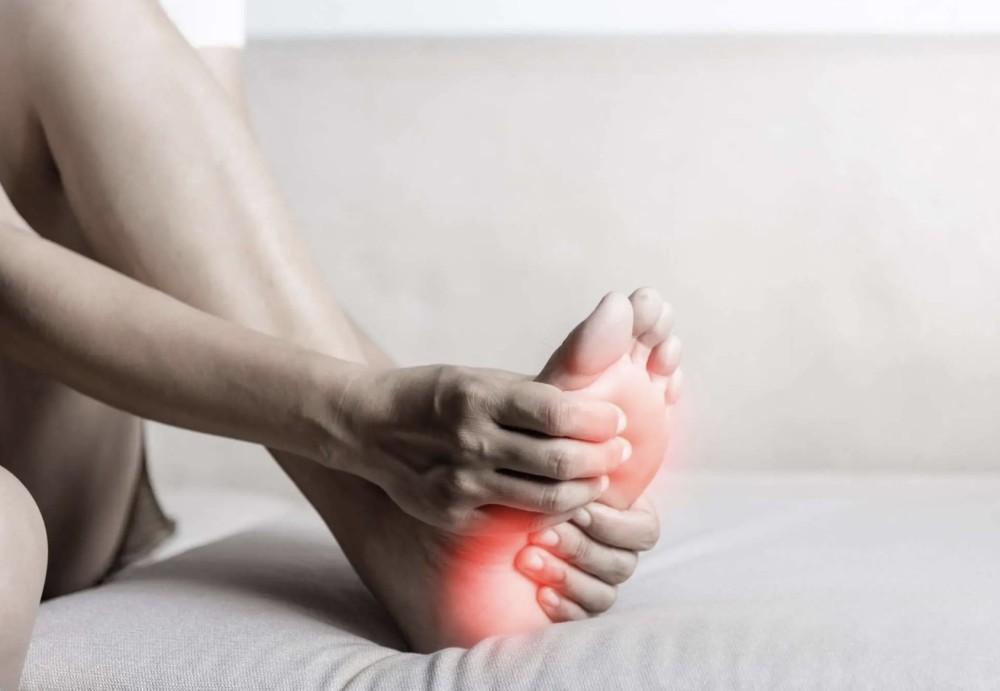
A nighttime foot or calf cramp can go from zero to miserable in seconds.
You are asleep, then suddenly the arch of the foot tightens, the toes curl, or the calf contracts so forcefully that you have to jump out of bed.
The muscle feels hard.
The pain can be intense.
And once it stops, the area may remain sore for hours.
Nighttime foot and leg cramps are extremely common. Most are harmless. Many have no single identifiable cause.
But recurrent cramps can also overlap with medication effects, nerve problems, circulation disorders, metabolic disease, pregnancy, changes in exercise load, or other medical conditions.
The difficult part is separating an ordinary nocturnal muscle cramp from something that merely feels like a cramp.
For patients in Princeton, Lawrenceville, West Windsor, Plainsboro, Hopewell, Pennington, Robbinsville, and throughout Mercer County, this comprehensive guide explains what nighttime cramps actually are, why magnesium and dehydration do not explain every case, what to do when a cramp strikes, and when repeated symptoms deserve medical evaluation.
Quick Takeaways
-
Nighttime muscle cramps are sudden, painful, involuntary muscle contractions, commonly affecting the calf or foot.
-
Many cases are idiopathic, meaning there is no single identifiable medical cause.
-
Typical nocturnal cramps are not automatically evidence of dehydration, low potassium, or magnesium deficiency.
-
Magnesium is commonly recommended, but research does not show meaningful benefit for most adults with ordinary nocturnal cramps.
-
Stretching the cramped muscle is usually the fastest first step when a cramp occurs.
-
Regular movement, gradual training progression, and addressing muscle fatigue may reduce recurrence in some people.
-
Medication review is important when cramps start after a new medication or dose change.
-
Burning, numbness, tingling, an urge to constantly move the legs, or exercise-related pain may indicate something other than a true muscle cramp.
-
One-sided swelling, redness, warmth, a cold or discolored foot, progressive weakness, or severe persistent pain should not be treated as a routine cramp.
-
Recurrent cramps that interrupt sleep or keep returning despite reasonable self-care deserve evaluation.
What Is a Nighttime Muscle Cramp?
A muscle cramp is a sudden, involuntary contraction of a muscle.
The muscle tightens and temporarily cannot relax normally.
At night, cramps most commonly involve:
-
Calf muscles
-
Muscles of the foot
-
Toes
-
Hamstrings
A typical nocturnal cramp:
-
Starts suddenly
-
Is painful
-
Produces a visibly or palpably tight muscle
-
Lasts from seconds to several minutes
-
Often improves when the muscle is stretched
-
May leave residual soreness afterward
This is different from vague aching, tingling, restless legs, or persistent nerve pain.
That distinction is important.
Why Do Cramps Happen at Night?
For many people, we do not know exactly.
That can be frustrating because the internet provides dozens of confident explanations.
Current evidence suggests that many ordinary nocturnal cramps may relate more to abnormal neuromuscular excitability, muscle fatigue, aging-related nerve and muscle changes, or altered muscle position during sleep than to one simple vitamin or electrolyte deficiency.
During sleep, the foot often rests with the ankle slightly pointed downward.
That shortens the calf muscles.
If a muscle is already prone to cramping, that shortened position may make an involuntary contraction easier to trigger.
This may help explain why pulling the toes and ankle upward—lengthening the calf—often stops a cramp.
Are Nighttime Cramps Caused by Dehydration?
Sometimes dehydration may contribute.
But the common assumption that every nighttime cramp means “you need more water” is too simplistic.
Dehydration becomes more plausible when cramps occur after:
But many people with recurrent nocturnal cramps are normally hydrated.
Drinking extreme amounts of water before bed is therefore not a universal solution—and can create its own problems, including disrupted sleep and, in extreme cases, electrolyte abnormalities.
Hydrate appropriately.
Do not assume hydration is the answer to every cramp.
What About Potassium?
Potassium is another frequent explanation.
Severe potassium abnormalities can affect muscle function.
But most people with ordinary nighttime foot or calf cramps do not have clinically significant potassium deficiency.
Low potassium becomes more relevant when there are risk factors such as:
If there is a medical reason to suspect an electrolyte abnormality, blood testing may be useful.
But eating bananas or taking potassium supplements without knowing that potassium is actually low is not a good diagnostic strategy.
Potassium supplementation can be dangerous in some people, especially those with kidney disease or taking certain medications.
Does Magnesium Help Nighttime Leg Cramps?
This is one of the most common questions we hear.
Magnesium has become almost synonymous with muscle-cramp treatment online.
The evidence is much less impressive.
A Cochrane review found that magnesium supplementation was unlikely to meaningfully reduce cramp frequency or severity in older adults with typical idiopathic nocturnal cramps.
That does not mean magnesium is never appropriate.
If someone has a true magnesium deficiency or a medical condition that creates magnesium loss, replacement may be important.
But:
Muscle cramp does not equal magnesium deficiency.
And:
Magnesium supplement does not equal proven cramp treatment.
Magnesium supplements can also cause:
-
Diarrhea
-
Abdominal discomfort
-
Nausea
and may be inappropriate in certain kidney conditions.
If you are considering supplementation because cramps are frequent, it is reasonable to first ask whether there is evidence that you are actually deficient.
What About Calcium?
Severe abnormalities in calcium can affect nerves and muscles.
But again, routine nighttime cramps are not usually proof of calcium deficiency.
Calcium-related problems become more likely in specific medical circumstances.
Randomly adding calcium supplements is not the same as determining why the cramps are occurring.
What Vitamin Deficiency Causes Foot Cramps?
There is no single vitamin deficiency responsible for most nighttime cramps.
Depending on the individual, clinicians may sometimes consider:
-
Magnesium
-
Calcium
-
Potassium
-
Vitamin B12
-
Vitamin D
-
Iron status
But these tests answer different questions.
For example:
Vitamin B12 deficiency is more likely to cause neuropathy with numbness or tingling.
Iron deficiency has a stronger connection with restless legs syndrome than with a classic sustained calf cramp.
Vitamin D deficiency may affect overall muscle and bone health but does not explain most isolated nighttime cramps.
Testing should therefore be directed by the history—not by a generic “cramp panel.”
Why Exercise Can Trigger Nighttime Cramps
Athletes often notice cramps on nights following harder training.
This makes sense.
Exercise-associated cramping appears strongly related to neuromuscular fatigue.
Possible triggers include:
A runner may complete a long workout without cramping and then wake several hours later with a calf contraction.
This does not necessarily mean the athlete failed to drink enough electrolytes.
It may simply mean the muscle experienced a level of fatigue or loading it was not accustomed to.
The Training-Load Question
When an athlete develops nighttime cramps, ask:
What changed?
Did you:
-
Increase mileage?
-
Add hills?
-
Add speed work?
-
Begin a new strength program?
-
Change shoes?
-
Start playing more pickleball or tennis?
-
Add more calf raises?
-
Return after several weeks off?
-
Exercise harder in the heat?
A new pattern of cramps after a training change may be another sign that the body is adapting to a larger load.
That does not automatically mean something is wrong.
But recurrent symptoms suggest the progression may need adjustment.
Aging and Nighttime Leg Cramps
Nocturnal leg cramps become more common with age.
Several factors may contribute:
This is one reason recurrent nighttime cramps in an older adult deserve a thoughtful review rather than automatic magnesium supplementation.
The cramp itself may be benign.
But the surrounding medical context matters.
Can Medications Cause Muscle Cramps?
Some medications can contribute to cramping or muscle symptoms.
The relationship is not always straightforward.
Medication-related possibilities may include drugs that affect:
-
Fluid balance
-
Electrolytes
-
Muscle function
-
Nerve function
-
Circulation
Diuretics are a common example because they can affect fluid and electrolyte balance.
Other medications have also been associated with cramp symptoms.
Statins deserve a slightly different discussion. They can cause muscle aches or other muscle symptoms in some patients, but not every symptom associated with a statin is a true nocturnal muscle cramp.
If cramps begin after:
-
Starting a new medication
-
Increasing a medication dose
-
Changing blood pressure treatment
-
Adding a supplement
-
Changing cholesterol medication
review the timing with your clinician.
Do not stop a prescribed medication on your own because you read that it may cause cramps.
The medication may be important, and the relationship may be coincidental.
Can Diabetes Cause Foot or Leg Cramps?
Diabetes can be associated with several problems that create nighttime leg or foot symptoms.
These may include:
But diabetic neuropathy often feels different from a classic muscle cramp.
Neuropathy is more likely to cause:
-
Burning
-
Tingling
-
Numbness
-
Electric sensations
-
Persistent discomfort
-
Abnormal sensitivity
Symptoms may worsen at night, which can easily lead someone to call them “cramps.”
If someone with diabetes has recurring nighttime foot symptoms, clarifying the exact sensation matters.
PSFM provides additional information on Type 2 Diabetes.
Cramp vs. Peripheral Neuropathy
A true cramp produces a sudden painful muscle contraction.
Peripheral neuropathy is usually more sensory.
It may cause:
-
Burning
-
Pins and needles
-
Numbness
-
Electric pain
-
Reduced sensation
-
Hypersensitivity
Neuropathy may be associated with:
If your “cramp” lasts much longer, burns, tingles, or leaves areas numb, we should think beyond muscle cramping.
Cramp vs. Restless Legs Syndrome
Restless legs syndrome, or RLS, is commonly confused with nighttime cramps.
They are different.
A muscle cramp:
-
Is painful
-
Produces an actual muscle contraction
-
Often affects one specific area
-
Starts suddenly
-
May be relieved by stretching
Restless legs syndrome:
-
Causes an urge to move the legs
-
Often includes crawling, pulling, tingling, or uncomfortable sensations
-
Becomes worse during rest
-
Is usually worse in the evening or at night
-
Often improves temporarily with movement
A person with RLS may say:
“I cannot keep my legs still.”
A person with a calf cramp usually says:
“My calf locked up.”
Those are different stories.
RLS also has associations with iron deficiency and certain medications, so diagnosis matters.
Cramp vs. Peripheral Artery Disease
Peripheral artery disease, or PAD, can cause leg pain because blood flow is reduced.
Classic claudication causes discomfort during walking or exercise that improves with rest.
That pattern is different from a spontaneous nocturnal muscle contraction.
More advanced arterial disease can sometimes cause pain at rest, particularly in the feet.
Warning signs may include:
People who smoke or have diabetes, high cholesterol, hypertension, or known cardiovascular disease may have higher vascular risk.
Do not assume every painful nighttime leg symptom is muscular.
What About a Blood Clot?
A deep vein thrombosis, or DVT, should not be mistaken for an ordinary muscle cramp.
Seek prompt evaluation for symptoms such as:
-
New one-sided leg swelling
-
Warmth
-
Redness
-
Persistent calf pain
-
Significant tenderness
-
Recent surgery or immobilization
-
Recent long travel with other risk factors
If leg symptoms are accompanied by:
seek emergency care.
A DVT does not typically behave like a brief cramp that disappears after stretching.
Can the Back Cause Nighttime Leg Symptoms?
Yes.
Lumbar nerve irritation or spinal stenosis can produce symptoms in the legs.
Possible clues include:
-
Low back pain
-
Pain traveling down the leg
-
Numbness
-
Tingling
-
Weakness
-
Symptoms affected by spine position
-
Leg heaviness while standing or walking
-
Relief with sitting or bending forward in some patients
These symptoms may coexist with muscle cramping.
PSFM’s Low Back Pain resource provides additional information about back pain and nerve-related leg symptoms.
What About Pregnancy?
Leg cramps are common during pregnancy.
The mechanism is not completely understood and may involve changes in:
Magnesium is often suggested during pregnancy, but evidence of benefit remains uncertain.
Pregnant patients should discuss persistent symptoms and supplements with their obstetric clinician rather than self-prescribing high-dose supplements.
What Should You Do When a Calf Cramp Hits?
The first goal is to lengthen the contracting muscle.
For a calf cramp:
-
Straighten the knee if possible.
-
Pull your toes and ankle upward toward your shin.
-
Hold the stretch gently.
-
Stand carefully if safe.
-
Walk for a short period once the muscle begins to release.
You can also gently massage the calf.
Warmth may help the muscle relax afterward.
Avoid aggressively forcing the stretch if there has been an injury or you are uncertain whether the pain is truly a cramp.
What Should You Do During a Foot Cramp?
If the arch or toes are cramping:
-
Gently pull the toes upward.
-
Bring the ankle toward you.
-
Massage the arch of the foot.
-
Stand and walk carefully once the contraction begins to release.
A ball or gentle foot massage may feel comfortable afterward.
But avoid crushing the foot aggressively with a hard massage tool during a severe active cramp.
Why Does Stretching Stop a Cramp?
Stretching lengthens the contracted muscle and changes sensory input from the muscle and tendon.
That helps interrupt the involuntary contraction.
This is one reason stretching is a reasonable immediate response even though the evidence for stretching as long-term prevention is much less certain.
There is an important difference between:
“Stretching can help stop an active cramp.”
and
“Stretching every night guarantees you will never cramp again.”
The first is clinically useful.
The second is not supported.
Can Stretching Before Bed Prevent Cramps?
Possibly for some people.
Calf and hamstring stretching before bed is low-risk for most healthy adults and has some supportive evidence, although overall research on non-drug cramp prevention is limited.
A simple routine might include:
Calf stretch with knee straight
Hold 20–30 seconds.
Calf stretch with knee slightly bent
Hold 20–30 seconds.
Gentle hamstring stretch
Hold comfortably without forcing range.
Repeat once or twice.
Stretching should feel mild.
There is no reason to aggressively stretch until pain occurs.
Should You Exercise More?
Regular movement may help some people.
Long periods of inactivity can contribute to stiffness and reduced muscular conditioning.
Helpful activities may include:
For athletes, the goal is slightly different.
You already exercise.
The issue may be whether the muscle has enough capacity for the amount of training you are doing.
More exercise is not automatically the answer.
Better progression may be.
Does Strength Training Help?
Potentially.
Calf and foot muscles that are chronically deconditioned may be more susceptible to fatigue.
Reasonable strengthening might include:
For athletes:
-
Progressive calf loading
-
Strength through useful ranges
-
Appropriate running progression
-
Sport-specific conditioning
may be more important than simply stretching the muscle each night.
If an area repeatedly cramps after training, increasing its capacity may be part of the solution.
What About Shoes?
Shoes do not explain most nocturnal cramps.
But foot discomfort and fatigue may be affected by footwear during the day.
Consider whether you recently:
-
Changed shoes
-
Increased standing time
-
Began using very narrow footwear
-
Increased walking or running
-
Started wearing less supportive shoes for long periods
Shoes may contribute to the total load on the foot and calf.
They are rarely the entire explanation.
Should You Drink Electrolyte Drinks Before Bed?
Not routinely.
If you completed a long, hot workout and lost substantial sweat, replacing fluids and electrolytes is reasonable.
But for someone with ordinary recurrent nocturnal cramps and no major fluid losses, an electrolyte drink before bed is not automatically necessary.
Many electrolyte products also contain substantial:
depending on the formulation.
Use them for a reason.
Do not turn every cramp into an electrolyte emergency.
What About Pickle Juice?
Pickle juice has become popular among athletes for acute exercise-associated cramps.
Interestingly, if it helps, it may work too quickly to be explained by sodium entering the bloodstream.
One proposed explanation is that the strong taste activates sensory receptors in the mouth and throat that influence the neural pathways involved in cramping.
That research relates mainly to exercise-associated cramps—not routine nighttime cramping.
If someone likes pickle juice and has no medical reason to avoid the sodium, that is one thing.
But it should not be presented as a proven nightly preventive treatment.
What About Tonic Water and Quinine?
Do not use quinine as routine treatment for nighttime leg cramps.
Quinine can modestly reduce cramps in some studies, but it also carries potentially serious risks.
The FDA warns against using quinine to prevent or treat nighttime leg cramps because adverse effects can include:
-
Dangerous blood disorders
-
Serious hypersensitivity reactions
-
Kidney problems
-
Cardiac rhythm abnormalities
Quinine is approved for certain malaria treatment—not ordinary nighttime cramps.
Tonic water is not a reliable medical treatment strategy.
“Natural” or historically popular does not mean risk-free.
When Are Blood Tests Useful?
Classic nocturnal leg cramps can often be diagnosed from the history and examination alone.
Routine broad laboratory testing is not necessary for everyone.
Testing becomes more useful when the history suggests a specific problem.
Depending on symptoms and medical history, testing might include:
-
Electrolytes
-
Kidney function
-
Magnesium
-
Calcium
-
Glucose or A1c
-
Thyroid testing
-
Vitamin B12
-
Blood counts
-
Iron studies in selected patients, particularly if restless legs rather than true cramps is suspected
-
Other testing based on the clinical situation
The point is to test for a reason.
Not every nighttime cramp needs ten tubes of blood.
When Should Medication Be Reviewed?
Schedule a medication review if cramps:
-
Began soon after a medication was started
-
Increased after a dose change
-
Began after adding a diuretic
-
Occur with new muscle aching or weakness
-
Began after adding multiple supplements
-
Are accompanied by dehydration or low blood pressure symptoms
Bring an updated list of:
Drug interactions and duplicated supplements can easily be missed if the entire list is not reviewed.
When Should Nighttime Cramps Be Evaluated?
Schedule an evaluation when cramps:
-
Frequently wake you from sleep
-
Occur several nights per week
-
Are progressively worsening
-
Started suddenly without an obvious explanation
-
Affect only one side repeatedly
-
Are associated with weakness
-
Occur with numbness or tingling
-
Are associated with back pain
-
Occur with walking or exercise in a predictable pattern
-
Began after medication changes
-
Occur in someone with diabetes, kidney disease, vascular disease, or significant neurologic disease
-
Do not improve despite reasonable self-care
The goal is not necessarily to order every test.
It is to determine whether these are ordinary nocturnal cramps or a symptom of something else.
Seek More Urgent Evaluation If You Have
-
New one-sided leg swelling
-
Redness or significant warmth
-
A cold, pale, or blue foot
-
Significant new muscle weakness
-
Progressive numbness
-
Inability to walk normally
-
Severe persistent pain rather than a brief cramp
-
Fever with redness or swelling
-
Dark urine after severe muscle injury or extreme exertion
-
Chest pain
-
Shortness of breath
-
Fainting
These are not routine nighttime-cramp symptoms.
A Practical Nighttime Cramp Prevention Plan
For someone with ordinary recurrent cramps and no red flags, start with the basics.
Step 1: Look for patterns
Track:
A pattern may appear.
Step 2: Keep normal hydration
Do not intentionally go to bed dehydrated.
But you do not need excessive fluids.
Step 3: Try gentle calf mobility before bed
A short routine is reasonable.
Step 4: Maintain regular physical activity
Long-term inactivity may make muscles less tolerant of load.
Step 5: Progress exercise gradually
If cramps follow hard workouts, reduce the training spike rather than simply adding supplements.
Step 6: Review medications
Especially when symptoms are new.
Step 7: Stop guessing about supplements
If you think you are deficient, determine whether testing is appropriate.
Step 8: Get evaluated if the pattern persists
Especially when sleep is repeatedly affected.
What We Would Not Recommend as a First-Line Strategy
For most uncomplicated nocturnal cramps, we would not start with:
-
High-dose magnesium without indication
-
Potassium supplements without labs
-
Quinine
-
Excessive electrolyte drinks
-
Extreme stretching
-
Aggressive massage
-
Stopping prescription medication without guidance
-
Ordering extensive imaging without symptoms suggesting it is needed
The goal is to use the simplest safe intervention that addresses the actual problem.
Nighttime Foot and Leg Cramps Near Princeton, NJ
Patients throughout Princeton, Lawrenceville, West Windsor, Plainsboro, Hopewell, Pennington, Robbinsville, and Mercer County commonly ask:
-
Why do my feet cramp at night?
-
Is this magnesium deficiency?
-
Should I eat more potassium?
-
Am I dehydrated?
-
Could my medication cause this?
-
Are these cramps from diabetes?
-
Is this a nerve problem?
-
Why did this start after I increased exercise?
-
Should I get blood work?
-
When should I worry?
Those are good questions because “muscle cramp” describes the symptom, not necessarily the cause.
How PSFM Can Help
At Princeton Sports and Family Medicine, nighttime foot and leg cramps can be approached from both a primary-care and sports-medicine perspective.
Our Muscle Cramps resource explains the basics of exercise-related and nighttime cramping, common triggers, and when recurrent symptoms deserve evaluation.
Primary Care Services can help when recurrent cramps raise questions about medications, diabetes, thyroid disease, kidney function, electrolyte abnormalities, vitamin deficiencies, circulation, or another medical condition.
Sports Medicine Services can help when cramps occur in the setting of running, lifting, training-load changes, calf fatigue, foot problems, or recurrent exercise-related symptoms.
Physical Therapy may help when cramping overlaps with muscle weakness, ankle stiffness, deconditioning, back-related symptoms, or a need for progressive calf and lower-extremity strengthening.
For patients with back pain, numbness, tingling, or symptoms traveling into the legs, our Low Back Pain resource explains when nerve involvement should be considered.
Patients with diabetes can also review our Type 2 Diabetes information because diabetes can contribute to neuropathy and vascular disease that may cause symptoms different from a true muscle cramp.
And if you are not sure where your symptoms fit, our A-Z Conditions page can help guide you to additional resources.
The goal is not simply to recommend magnesium.
It is to determine what kind of symptom you are actually having and whether there is a reason it keeps happening.
Related Pages
FAQs
Why do my feet cramp at night?
Many nighttime foot cramps are idiopathic, meaning no single cause is identified. Muscle fatigue, nerve-muscle excitability, sleep position, training load, medications, aging, and certain medical conditions may contribute.
What deficiency causes nighttime foot cramps?
There is no single deficiency responsible for most nighttime cramps. Magnesium, potassium, calcium, vitamin B12, and other abnormalities may contribute in selected patients, but typical cramps do not automatically indicate a deficiency.
Does magnesium help nighttime leg cramps?
For most older adults with typical idiopathic nocturnal cramps, clinical trial evidence has not shown meaningful benefit from magnesium compared with placebo. Magnesium may still be appropriate when a true deficiency or another specific indication exists.
Is low potassium causing my leg cramps?
Usually not. Severe potassium abnormalities can affect muscles, but ordinary nighttime cramps are not reliable evidence of low potassium. Testing may be appropriate when medications, illness, or other risk factors make an electrolyte abnormality more likely.
Does dehydration cause nighttime cramps?
Dehydration can contribute in some situations, especially after heavy sweating, heat exposure, vomiting, or diarrhea. But many people with nocturnal cramps are normally hydrated, so drinking more water does not solve every case.
What should I do immediately when my calf cramps?
Straighten the knee and gently pull the toes and ankle toward your shin to stretch the calf. Once the muscle starts relaxing, standing, walking, gentle massage, or warmth may help.
What should I do for a foot cramp?
Gently pull the toes and ankle upward, massage the arch, and carefully stand or walk once the contraction begins to release.
Is restless legs syndrome the same as leg cramps?
No. Restless legs syndrome usually causes an uncomfortable urge to move the legs that improves temporarily with movement. A muscle cramp is a sudden painful muscle contraction.
Can neuropathy feel like a foot cramp?
Yes. Burning, tingling, numbness, or electric pain from peripheral neuropathy may be described by patients as cramping, particularly at night. The distinction matters because treatment is different.
Can back problems cause leg cramps?
Lumbar nerve irritation or spinal stenosis can cause pain, heaviness, weakness, numbness, or other leg symptoms and may coexist with cramping. Back pain or neurologic symptoms make evaluation more important.
Could nighttime calf pain be a blood clot?
A blood clot generally causes persistent symptoms rather than a brief cramp. New one-sided swelling, warmth, redness, and persistent calf pain should be evaluated promptly, especially when risk factors for DVT are present.
Can medications cause cramps?
Some medications can contribute directly or indirectly through effects on muscles, nerves, fluids, or electrolytes. If symptoms began after starting or changing medication, review the timeline with your clinician rather than stopping the medication yourself.
Should I drink an electrolyte drink every night?
Usually not. Electrolyte replacement makes sense after substantial sweat or fluid losses, but routine nighttime cramps do not automatically mean you need extra electrolytes.
Is tonic water good for leg cramps?
Quinine should not be used routinely to treat nocturnal leg cramps. The FDA warns that quinine can cause serious adverse effects and does not recommend it for this purpose.
Do I need blood tests for nighttime cramps?
Not everyone does. Testing may be useful when symptoms, medications, medical history, or examination suggest electrolyte problems, diabetes, kidney disease, thyroid disease, neuropathy, or another specific condition.
When should nighttime cramps worry me?
Seek evaluation when cramps are frequent, progressively worsening, associated with weakness or numbness, repeatedly one-sided, linked to walking, or accompanied by swelling, skin changes, or other concerning symptoms.
Where can I get recurring nighttime foot or leg cramps evaluated near Princeton, NJ?
Princeton Sports and Family Medicine evaluates recurrent muscle cramps, foot and calf symptoms, medication-related concerns, nerve symptoms, and exercise-related cramping in Lawrenceville for patients throughout Princeton and surrounding Mercer County communities.
The Bottom Line
Nighttime foot and leg cramps are common, painful, and usually benign.
But the explanation is rarely as simple as:
“You need magnesium.”
or
“You must be dehydrated.”
Many nocturnal cramps have no single identifiable cause and likely involve muscle fatigue and abnormal nerve-muscle excitability.
When a cramp strikes, gently stretching the affected muscle is usually the most practical immediate treatment.
For prevention, focus first on:
-
Normal hydration
-
Regular movement
-
Gradual exercise progression
-
Gentle mobility
-
Adequate overall nutrition
-
Medication review when appropriate
Do not automatically supplement potassium or magnesium without a reason.
Do not use quinine as a routine cramp treatment.
And pay attention when the symptom does not behave like a muscle cramp.
Burning, tingling, numbness, progressive weakness, one-sided swelling, exertional leg pain, a cold or discolored foot, or symptoms associated with significant back pain may point toward nerve, vascular, metabolic, or other medical causes.
If nighttime cramps are repeatedly interrupting your sleep or you are no longer sure whether they are truly muscle cramps, request an appointment with Princeton Sports and Family Medicine.
This article is for general educational purposes and does not replace individualized medical advice. Seek prompt or emergency medical evaluation for new one-sided swelling, redness or warmth, a cold or discolored limb, rapidly progressive weakness or numbness, inability to walk, severe persistent pain, dark urine after significant muscle injury, chest pain, shortness of breath, fainting, or other rapidly worsening symptoms.
Author
 Peter Wenger, MD
Peter C. Wenger, MD, is an orthopedic and non-operative sports injury specialist at Princeton Sports and Family Medicine, P.C., in Lawrenceville, New Jersey. He is board certified in both family medicine and sports medicine.
Dr. Wenger brings a unique approach to sports medicine care with his comprehensive understanding of family medicine, sports medicine, and surgery. As a multisport athlete himself, he understands a patient’s desire to safely return to their sport.